Businesses can grow faster than their operational capacity.
Rooted in Vision. Built for Continuity.
You have a vision for where you're taking your company. But as the business grows, the way it operates has to grow with it. More people, customers, decisions, responsibilities, information, and complexity can expose operational gaps that weren't visible when the company was smaller.
Emunah Oaks helps growing founder-led businesses understand what their next stage of growth requires operationally—and identify what may need to change to support it.
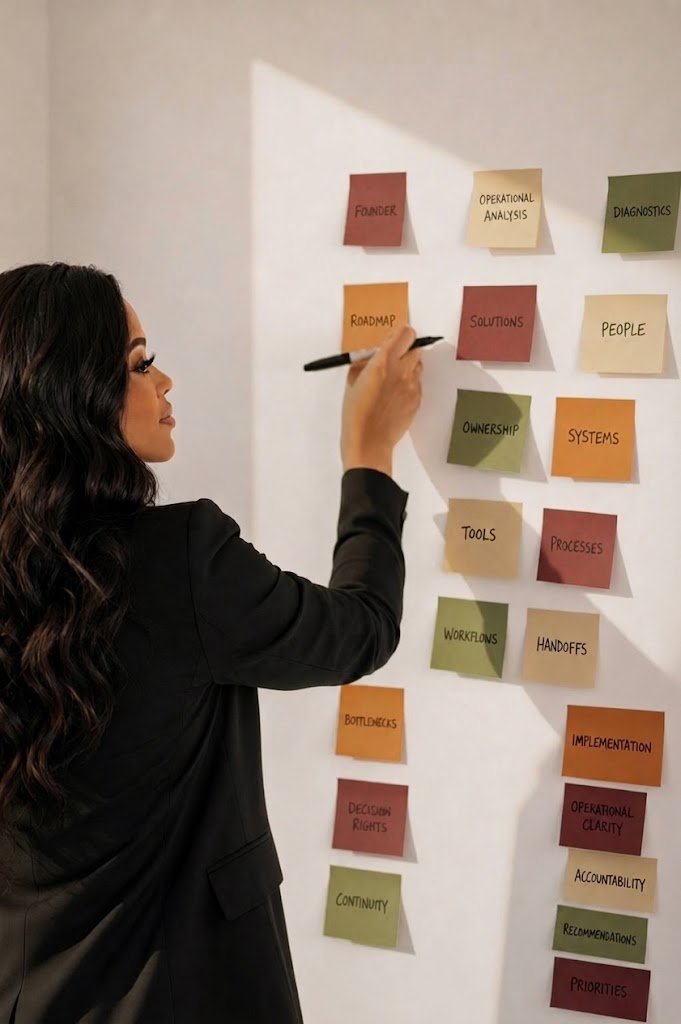
Your business shouldn't consume more than it returns.
You didn't build a business to unnecessarily lose time, money, or energy along the way. But when you're close to the day-to-day operation, it can be difficult to see what's actually getting in the way.
Sometimes you need another perspective.
Emunah Oaks helps growing founder-led businesses see what they may be too close to see, understand what's constraining the operation, and determine what needs to change next.
What worked when you were smaller may not support where you're going next.
Growth doesn't only create opportunity. It creates operational demands. More people need clarity. More work has to move between functions. More decisions have to be made without everything returning to the founder.
“We're growing, but everything still comes back to me.”
“We've hired more people, but things haven't gotten easier.”
“Everyone seems busy, but I'm not sure we're operating as effectively as we could.”
“Too much important information lives in people's heads.”
“I know something needs to change operationally, but I'm not sure where to start.”
“We're preparing for our next stage of growth, and I want the business ready for it.”
The question isn't simply whether your business is growing. It's whether the way it operates can support that growth.
If you run a B2B agency, the problem may be showing up somewhere other than where it started.
Client delivery, capacity, profitability, scope, handoffs, team accountability, and founder dependency can look like separate problems.
They often aren’t.
A delivery issue may begin in sales.
A capacity problem may begin with scoping.
A profitability problem may begin with how work is handed off.
A founder dependency problem may begin with how decisions are structured.
That’s why I look at the operation as a system—not at the symptom in isolation.
You know your business. Sometimes you just need another perspective.
The founder brings the vision, history, experience, context, and understanding of the business. I bring an outside operational perspective.
I ask questions. I examine how work actually happens. I look at where decisions, responsibilities, information, people, and processes intersect. I challenge assumptions when necessary. And I help distinguish the symptoms you're experiencing from the operational problems underneath them.
Diagnose before you prescribe.
We don't begin by assuming you need new software, more SOPs, automation, another employee, or a new operating system. Those may become part of the solution. But the solution should follow the problem.
The first question is: Where are you trying to take the business—and can the way you're operating today support it?
Founder Freedom Lab
Where the methodology meets real businesses.
Founder Freedom Lab is the lab within Emunah Oaks where I work directly with growing founders to apply, test, and refine the methodology behind my approach to operations.
The goal is not to enter every business with the same solution. It's to understand how different businesses actually operate, identify constraints, determine what needs to change, and learn what holds true across different operating environments.
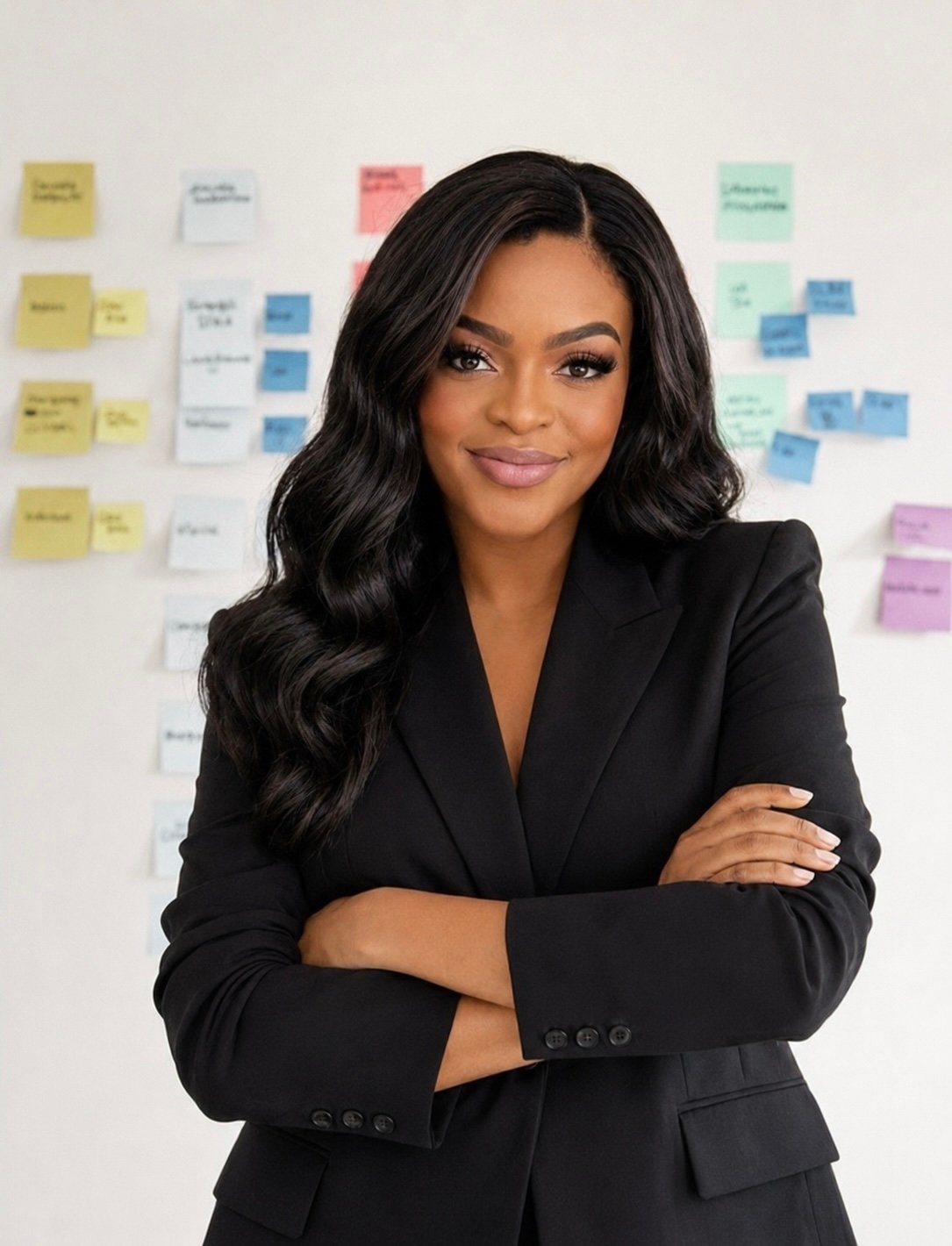
The SCALE Method
The methodology used to move from understanding how a business operates to determining what needs to change—and embedding it into the organization.
Understand how the business actually works today.
Identify what creates friction, dependency, or inefficiency.
Determine changes and design an appropriate way of operating.
Put the solution into practice, observe, and refine it.
Transfer knowledge and make capability permanent.
The goal isn't simply to create a process. It's to build an operation the company can actually run.
Explore the SCALE MethodBefore deciding what to change, understand what's actually happening.
The Operations Diagnostic is the current entry point into Founder Freedom Lab. It applies the first three stages of the SCALE Method: SEE → CLARIFY → ARCHITECT.
Through the diagnostic, I examine team structure, roles, decision-making, workflows, documentation, tools, handoffs, and bottlenecks.
The goal is to understand what's actually constraining the operation before deciding what solution, if any, comes next.
Operations Improvement Roadmap
A prioritized view of what the business should consider:
Not every company needs every intervention. That's why the diagnosis comes first.
Building the operational capacity for growth.
Before developing Founder Freedom Lab and the SCALE Method, my approach to operations was shaped through hands-on experience inside a growing transportation company.
Company growth occurred over approximately two years and reflects the efforts of the broader organization. The case study focuses specifically on Vera Yanney's operational contributions during that period.
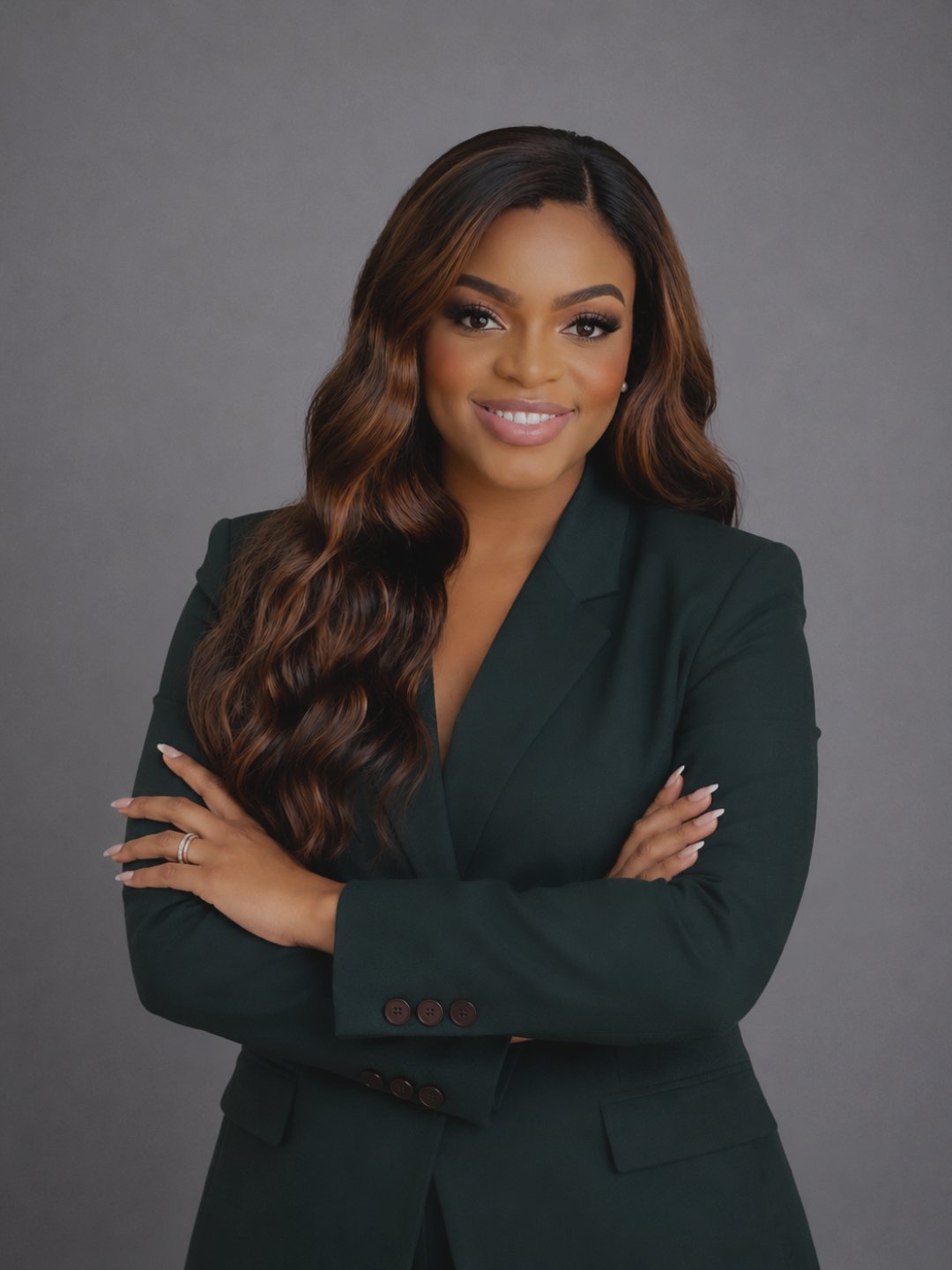
Meet Vera Yanney
My path to operations wasn't conventional. I graduated Summa Cum Laude from West Chester University of Pennsylvania with a bachelor's degree in Public Health and Health Promotion.
While working inside a growing transportation company, I found myself solving operational problems that didn't always come with obvious answers. Those experiences became the foundation for how I approach operational constraints today.
Where are you taking the business—and can your current operations support it?
If your company is growing, preparing to grow, or beginning to feel operational strain, the first step doesn't have to be another tool or hire. It can simply be understanding what's happening.